

Understanding How MT4 Brokers Work
MetaTrader 4 brokers act as intermediaries between traders and the financial markets. They offer the technical infrastructure that connects clients to liquidity providers, allowing orders to be placed and executed instantly. Most brokers that support MT4 are regulated by international authorities, ensuring safe operations and transparency in order handling.
MT4 brokers typically operate under two main models:
| Broker Type | Description | Example of Operation |
| ECN/STP | These brokers connect traders directly with liquidity providers without dealing desk intervention. Spreads are usually lower, and market depth is visible. | Trades go straight to the market, often with a small commission. |
| Market Maker | These brokers quote prices internally and act as counterparties to trades. They can offer fixed spreads and are often suitable for smaller accounts. | The broker sets bid and ask prices and executes trades on its system. |
Each model has its advantages depending on the trader’s experience, strategy, and risk tolerance.
A MetaTrader 4 broker usually provides several account types to suit different budgets. These may include standard accounts for manual trading and raw spread accounts designed for algorithmic systems. Some brokers integrate additional tools such as VPS hosting, advanced analytics, or social trading plugins that extend MT4’s capabilities.
Here are the main components that define how an MT4 broker functions:
- Liquidity access – ensures trade execution at competitive prices.
- Order processing technology – affects the speed and slippage levels.
- Regulatory compliance – determines the reliability of the broker.
- Trading costs – include spreads, commissions, and possible overnight fees.
- Support infrastructure – customer service, deposit methods, and education resources.
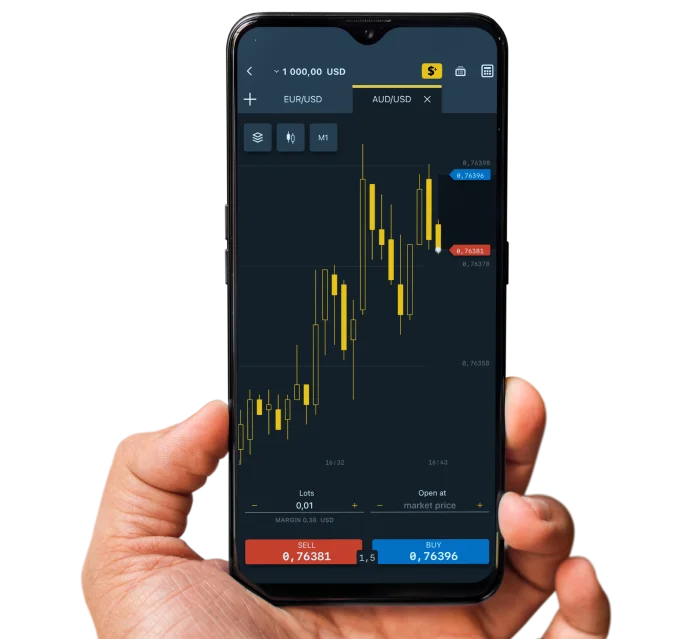
Most brokers also allow access to MT4 through desktop, web, and mobile versions, giving traders flexibility to manage positions from any device.
Top MetaTrader 4 Brokers for 2026
The following MetaTrader 4 brokers have maintained a strong reputation in 2026 due to their transparent pricing, fast trade execution, and consistent reliability. Each of them has distinct advantages suited to various trading preferences, whether focused on forex pairs, indices, or commodities.
| Commision | Instruments | Min Dep | Leverage | Platforms | ||
|---|---|---|---|---|---|---|
 XM Group | No commission, spreads from 0.6 pips | Forex Stocks Commodities Indices | $5 | Up to 1:1000 | MT4 MT5 | |
 IC Markets | Low commission on Raw Spread accounts | Forex Commodities Indices Crypto | $200 | Up to 1:500 | MT4 MT5 cTrader | |
 FP Markets | From 0.0 pips (ECN) | Forex Crypto Indices | $100 | 1:500 | MT4 MT5 cTrader | |
 Pepperstone | No commission, spreads from 0.0 pips | Forex Commodities Indices Crypto | $200 | Up to 1:500 | MT4 MT5 cTrader | |
 AvaTrade | From $5 per lot | Forex Commodities Indices Crypto | $100 | Up to 1:400 | AvaTradeGo MT4 MT5 |
XM
XM
XM has established itself as one of the most balanced brokers offering MetaTrader 4. It provides over 1,000 instruments, including forex, CFDs, metals, and energies. The broker is known for transparent execution with no re-quotes and offers micro, standard, and zero accounts. Traders value XM for its multilingual customer assistance and low entry threshold.
Key Features:
- Spreads starting from 0.6 pips on major pairs
- Negative balance protection
- Regular promotions and trading competitions
- Advanced educational tools for all experience levels
IC Markets
IC Markets
IC Markets is favored by high-frequency and algorithmic traders who require fast order execution. Its MT4 servers are connected to a strong liquidity pool, offering stable conditions even during volatile markets.
Advantages:
- True ECN environment with spreads from 0.0 pips
- Commission-based pricing for professionals
- VPS hosting for automated strategies
- Strong reputation for transparency and customer satisfaction
FP Markets
FP Markets
FP Markets is an Australian broker known for its competitive spreads and direct market access model. It offers MT4 and MT5 with full integration for Expert Advisors. The company focuses on execution speed and provides advanced charting packages for technical analysis.
Highlights:
- Over 70 forex pairs and CFDs available
- Multi-account manager (MAM/PAMM) suppor
- Fast withdrawals and multiple base currencies
- Educational webinars and trading guides
FP Markets suits both manual traders and those running automated robots due to its low latency connection and true ECN setup.
Pepperstone
Pepperstone
Pepperstone combines strong regulation with modern trading tools. The broker provides MT4 alongside MT5 and cTrader, offering a wide range of platforms for different needs. It’s highly popular among experienced traders seeking institutional-grade execution.
Core Features:
- Raw spreads from 0.0 pips
- Multiple copy trading integrations (Myfxbook, DupliTrade, MetaTrader Signals)
- Free VPS for active accounts
- Regulated by ASIC, FCA, and DFSA
Pepperstone’s infrastructure is optimized for speed and reliability, which helps reduce slippage in high-volatility conditions.
AvaTrade
AvaTrade
AvaTrade remains a trusted global brand with MT4 access and consistent oversight by several regulatory bodies. It provides a wide selection of CFDs, forex pairs, and cryptocurrencies. The broker’s MT4 platform includes integrated risk management tools and social trading options.
Key Aspects:
- Minimum deposit of $100
- Fixed and variable spreads available
- Intuitive mobile trading experience
- Access to AvaProtect risk management tool
AvaTrade’s combination of safety, simplicity, and global accessibility makes it a practical choice for both new and intermediate traders.
How to Choose the Right MetaTrader 4 Broker
Selecting a MetaTrader 4 broker requires more than just looking at spreads or bonuses. Each trader should evaluate multiple parameters that directly influence trading quality, safety, and long-term profitability. The right broker aligns with personal strategies, available capital, and technical requirements.
Below are the main factors that help identify a trustworthy and efficient MT4 broker:
| Factor | Description | Why It Matters |
| Regulation | Ensure the broker holds licenses from respected financial authorities such as ASIC, CySEC, or FCA. | Protects funds and ensures fair execution policies. |
| Execution Speed | Measured in milliseconds, this determines how fast trades are processed. | Affects slippage and overall profitability. |
| Trading Costs | Includes spreads, commissions, and overnight fees. | Impacts net results, especially for short-term strategies. |
| Platform Stability | Quality of server connection and uptime percentage. | Prevents order delays or disconnections. |
| Withdrawal Policy | Speed and transparency of fund processing. | Ensures liquidity and trust. |
When comparing brokers, traders often analyze execution reports, client feedback, and regulatory disclosures. It’s also useful to test demo accounts to evaluate real-time spreads and performance before depositing money.
A short checklist for choosing an MT4 broker:
- Confirm the broker’s regulation and operational history.
- Compare spreads and commissions on preferred instruments.
- Test the MT4 server speed using a demo account.
- Review withdrawal terms and supported payment systems.
- Assess customer communication efficiency.
Consistency in execution and transparency in pricing are the two qualities that separate leading brokers from unreliable ones.
Tips for Using MetaTrader 4 Effectively
MT4 offers more customization and analytical tools than many realize. Understanding how to use them efficiently increases performance and minimizes risks.
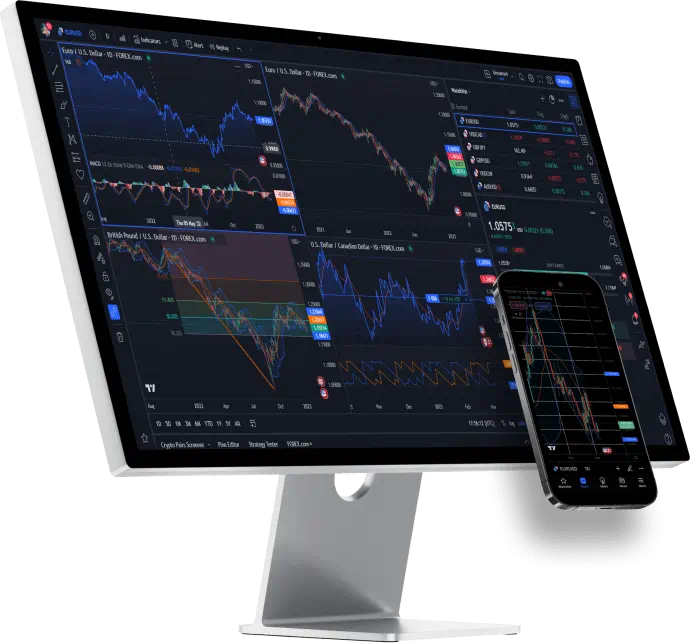
- Adjust Chart Templates: Setting up templates with preferred indicators and timeframes saves time and keeps analysis organized. Traders can build separate templates for scalping, swing, or long-term trading.
- Manage Risk with Stop Orders: Always combine stop-loss and take-profit levels with every position. Proper risk management keeps account drawdown within acceptable limits.
- Optimize Expert Advisors (EAs): Before applying automated strategies to live accounts, run backtests using historical data. MT4’s built-in strategy tester allows parameter adjustments for higher accuracy.
- Use a VPS for Stability: Running MT4 on a virtual private server ensures uninterrupted operation, which is especially important for automated trading.
- Keep an Eye on Execution Logs: Monitoring the terminal’s logs helps identify slippage issues or connection delays. If execution errors appear frequently, contact the broker or consider switching servers.
- Clean the Platform Regularly: Deleting old data and unused indicators improves platform performance, reducing lag and potential crashes.
- Use Alerts and Notifications: MT4 allows custom alerts for price levels, indicator crossovers, or news events. This feature helps maintain control without watching charts all day.
These small habits, when combined, make trading smoother and decision-making faster.
Pros and Cons of Trading with MetaTrader 4
Even after nearly two decades, MetaTrader 4 continues to be relevant due to its efficiency and adaptability. However, it also has limitations that traders should consider before committing to it as their main platform.
| Pros | Cons |
| Stable and well-tested system | Limited multi-asset support compared to MT5 |
| Supports automated trading and Expert Advisors | Interface feels outdated for some users |
| Highly customizable charts and indicators | No built-in economic calendar |
| Low hardware requirements | Slower order handling during peak hours with some brokers |
| Large online community with thousands of plugins | Less transparency in execution for unregulated brokers |
Summary of advantages:
- Compatible with almost any device.
- Works with most global brokers.
- Offers extensive analytical features.
Main disadvantages:
- Less suitable for traders focusing on stocks or futures.
- Requires manual installation of certain add-ons for advanced functionality.
Despite these drawbacks, MT4 remains one of the most stable tools for forex and CFD trading.
Frequently Asked Questions
Why is MetaTrader 4 still popular in 2026?
Because of its proven stability, simple interface, and compatibility with automated trading systems. It continues to serve as a trusted platform for both new and professional traders.